
The Operator
Most founders I meet have a clear theory about what's wrong with their company. The theory is usually compelling, and usually one level short of the real cause.
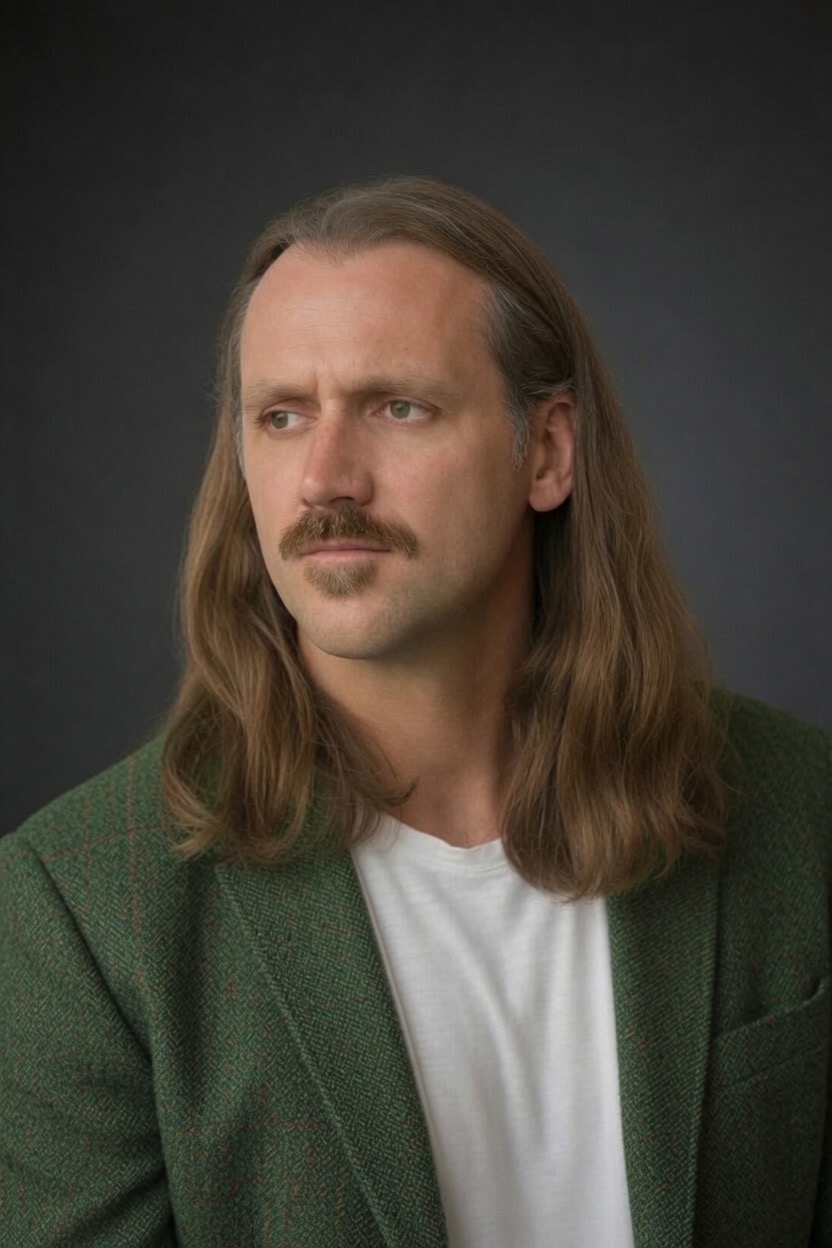
John Dobharchú is a Constraint Strategist and Fractional CMO/COO with more than twenty years operating inside consumer subscription and mobile app companies, including a role at Lieferheld before its $1.1B exit to Takeaway.com.
Why this work
For about twenty years I worked inside companies that were scaling and stalling, often at the same time. And I kept watching the same scene play out. Revenue would flatten, or a forecast would miss, or a launch would underperform, and everyone in the room already knew the cause. Marketing wasn't working. Ops couldn't keep up. The funnel was broken. The diagnosis was fast, confident, and unanimous, and almost every time it stopped one level short of the thing actually holding the company back.
What was missing wasn't effort or talent. These were good operators working hard on the problem they'd named. The trouble was that nobody had stopped to check whether it was the right problem, and a wrong diagnosis is expensive. A founder hires a senior marketer to fix CAC when the real constraint is that every decision still routes through the founder. Six months and a salary later, CAC hasn't moved, because it was never a marketing problem. I started finding the real constraint first, in the right order, and eventually built that into a repeatable system. I call it Oscension.
I went fractional because the other paths break in the same place. Consultants diagnose and leave, so the insight walks out the door with them. A full-time seat locks you into one function, which is the opposite of useful when the constraint moves. Advisors talk; they don't operate. Fractional lets me do the part that matters, find the constraint, then step into the seat that owns it and fix it alongside your team, not for them. I'd rather leave a company that no longer needs me than bill one that always will.
In the room
Working with me is direct, sometimes uncomfortably so. In the first few sessions I'll tell you whether the problem is what you think it is, and whether I can actually help — I'd rather lose the engagement than take it on a bad premise. I'm in the room with your team, asking questions and following the thread, not presenting a deck from the end of the table. What you get is someone who treats your company the way an operator would, because that's what I am.

Receipts
$43.8M → $62.5Min revenue as a CMO, with margin climbing from 19% to 30%. I care more about the second number than the first.
CPA −44%while the footprint grew from 6 countries to 12. Efficiency and growth stop competing once you've found the right constraint.
20 yearsoperating inside consumer mobile and subscription companies, including one later sold to Takeaway.com for $1.1B. I've been in the seat, not advising from beside it.
If any of this lands close to where you are right now, that's usually a sign worth following.
Tell me what you're seeing, not a formal brief, just the real version, and I'll tell you whether I can help and what I'd look at first.